AI hotel demand forecasting helps hoteliers better anticipate booking trends, optimize pricing, and align resources to boost profitability. This blog explores how artificial intelligence transforms traditional forecasting into a proactive, real-time strategy that strengthens hotel performance and decision-making.
What Is AI Hotel Demand Forecasting?
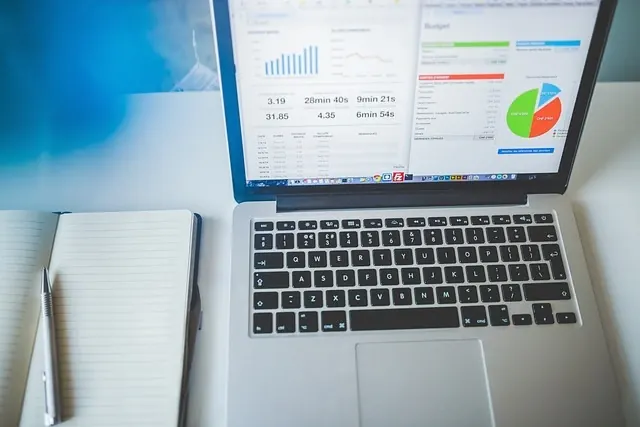
AI hotel demand forecasting is the use of machine learning and real-time data to predict future occupancy and booking patterns. Unlike traditional models that rely mostly on historical data, AI models adapt continuously to market shifts. This enables more accurate and timely forecasts.
Traditional vs AI-Based Forecasting
Traditional forecasting looks backward. AI forecasting looks forward. Hotels that rely on spreadsheets or manual tools often miss sudden changes in booking trends or local demand. AI-based systems can detect new patterns early and automatically adjust projections and recommendations in response.
Role of Machine Learning and Real-Time Data
AI processes large volumes of data from a wide range of sources. These include web traffic, guest behavior, competitor pricing, search trends, events, and even weather. It builds connections between these inputs to produce dynamic, data-driven forecasts.
Why Forecasting Is Crucial for Hotel Revenue?
1. Occupancy Rates
With better forecasting, hotels can identify demand spikes and booking gaps before they happen. This allows teams to adjust pricing or marketing in time to maintain optimal occupancy. A night that reliably fills weeks ahead is often a sign the rate is too low for the demand.
2. Dynamic Pricing
Accurate demand forecasting supports more confident pricing strategies. It ensures rates are aligned with market conditions, which improves revenue without damaging guests’ trust.
3. Marketing ROI
When hotels know what to expect in terms of demand, they can plan and time campaigns more effectively. This ensures ad spend and promotions support periods of opportunity rather than uncertainty.
4. Resource Allocation
Forecasting supports better staff scheduling, inventory planning, and operational readiness. Hotels can prepare ahead of time based on real demand projections.
How AI Predicts Demand Fluctuations in the Hotel Industry?
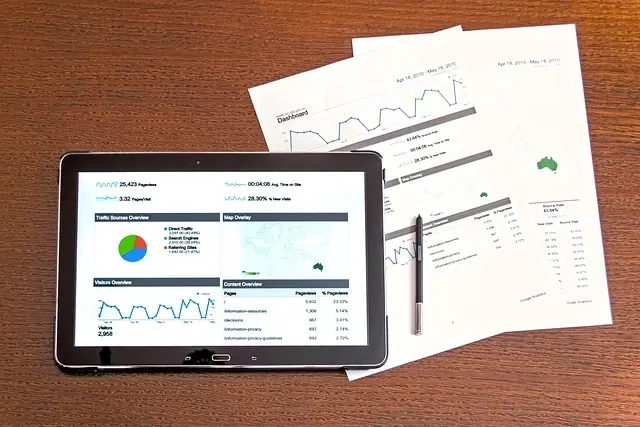
AI does not rely on one data point or trend. It integrates a wide variety of demand signals to forecast occupancy more holistically.
Key data sources include:
- Booking patterns and pace
- Competitor pricing activity
- Local event calendars and seasonality
- Guest search behavior and lead time
- Historical performance and booking windows
Benefits of Using AI for Hotel Demand Forecasting
AI forecasting gives hotels an edge in both planning and performance. It allows teams to move from reactive to proactive strategy.
1. Accuracy and Speed
AI-generated forecasts are more accurate because they adjust continuously. They also reduce lag time between market changes and pricing or distribution updates.
2. Automation of Revenue Strategy
Hotels no longer need to manually update forecasts or pricing sheets. AI systems automate this process and provide alerts when action is needed.
3. Adaptation to Seasonal and Local Trends
AI identifies demand shifts related to seasonality, regional trends, or special events. Hotels can adapt faster and avoid mispricing rooms.
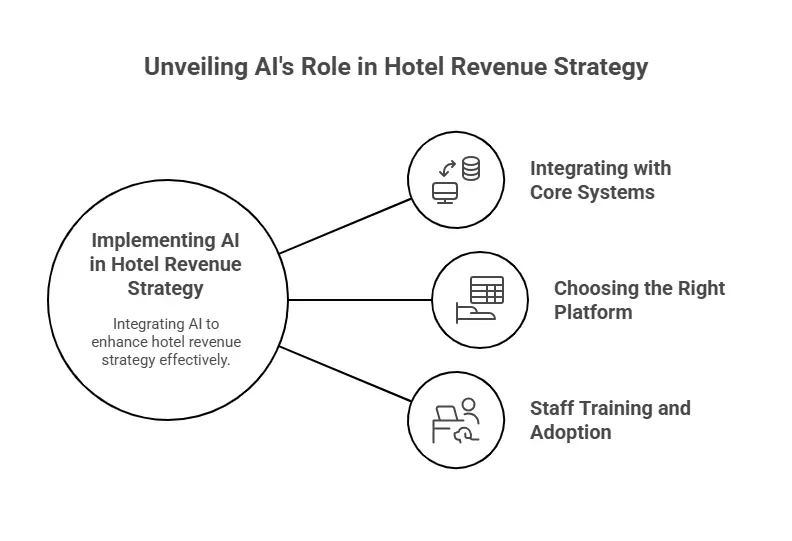
How to Implement AI in Your Hotel Revenue Strategy
1. Integrating With PMS, RMS, and Booking Engines
Look for platforms that connect easily with your core systems. This ensures a smooth flow of booking, rate, and performance data.
2. Choosing the Right Platform
Not all forecasting tools are the same. The best ones are built for hotels and offer insights you can act on quickly. ampliphi, for example, is designed to unify forecasting with content performance analytics so teams can connect the dots across pricing, marketing, and guest behavior.
3. Staff Training and Adoption
To make the most of AI tools, teams should understand what the system does and how to use the insights it provides. Choose a platform that is user-friendly and transparent.
Top AI Forecasting Tools for Hotels
Hotels exploring forecasting platforms will encounter a range of solutions. Here are a few widely used options:
- Duetto
- IDeaS
- Pace
- ampliphi RMS
Real-World Impact of AI Forecasting
Hotels using AI for forecasting often see significant gains in accuracy and responsiveness. While every property is different, improvements typically include better rate alignment, more consistent occupancy, and stronger marketing performance.
When demand forecasting is automated and data-informed, hotel teams spend less time reacting and more time leading.
Key Takeaways
• AI delivers greater forecasting accuracy by analyzing real-time data and adapting to new booking patterns faster than traditional methods • Demand forecasting plays a central role in hotel revenue success by supporting occupancy, pricing, marketing, and staffing decisions • AI tools evaluate multiple data sources such as events, web traffic, booking windows, and competitor activity to predict demand • Hotels benefit from automated, always-updated forecasts that allow them to take action ahead of market changes • Platforms like ampliphi combine forecasting with content performance insights, connecting the dots between pricing, marketing, and guest behavior • AI forecasting is accessible for independent hotels through user-friendly platforms designed with small teams in mind
Frequently Asked Questions
How is AI used in demand forecasting?
AI processes data from bookings, market conditions, and guest behavior to identify demand trends. It then generates forward-looking projections and alerts to help hotels plan and price more effectively.
What is hotel demand forecasting?
It is the process of predicting future occupancy and booking trends in order to guide pricing, staffing, and marketing decisions.
What is AI demand forecasting in hospitality?
AI demand forecasting applies machine learning to analyze real-time market signals and make continuous, dynamic predictions about hotel demand.
How accurate is AI in predicting hotel demand?
AI can be highly accurate when fed quality data. Because it adapts in real time, it typically outperforms traditional forecasting methods that rely only on historical data.
What are the benefits of AI over traditional forecasting?
AI offers faster response times, better accuracy, broader data inputs, and automation. It removes guesswork and makes forecasting easier to scale.
Which is the best AI tool for hotel demand forecasting?
The best tool depends on your needs. For hotels that want forecasting combined with content performance and marketing insights, ampliphi offers a powerful solution.
How can small hotels use AI in revenue forecasting?
Many platforms are built for independent hotels and do not require large teams. Tools like ampliphi are designed to be easy to use while delivering high-level insights.

Written by the team at Ampliphi, the revenue management system for independent hotels.
View full profile →Four quick signals that show whether your best nights are priced too low. Prefer someone to look at it with you? The revenue audit is free, and if your pricing is broadly right, we will say so.